Workplace Drug and Alcohol Testing in New Brunswick: Rapid Onsite Compliance & Post-Incident Protocols
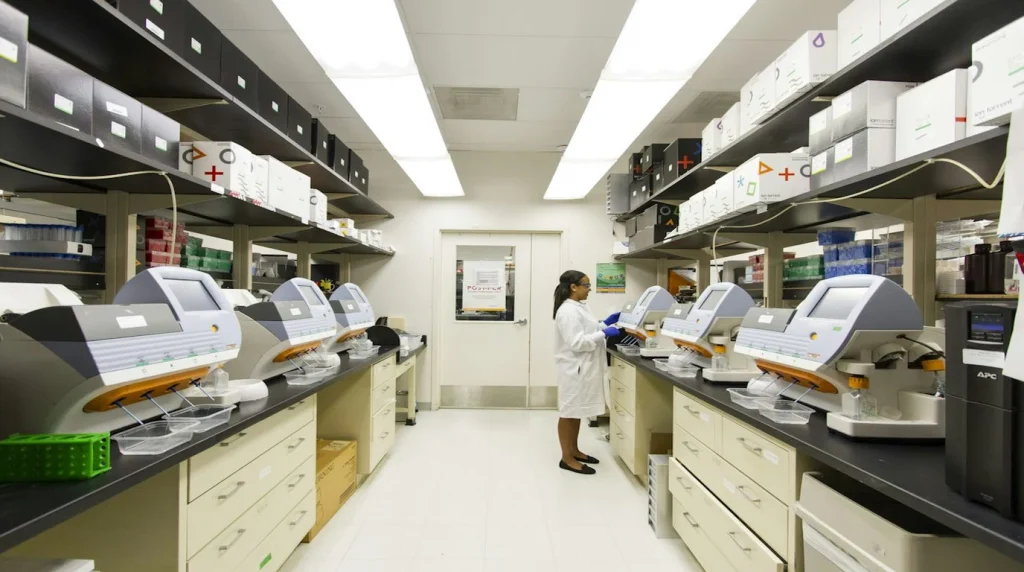
In modern industrial, transportation, construction, and manufacturing facilities across New Brunswick, workplace safety is not merely a corporate objective—it is a strict statutory duty. Under the Occupational Health and Safety Act (OHSA) and WorkSafeNB mandates, employers are legally obligated to maintain an environment free of recognized hazards. When workplace impairment from alcohol, cannabis, or illicit narcotics enters an operational setting, the risk of catastrophic injury, equipment failure, and multi-million-dollar liability escalates exponentially. How Does Workplace Drug and Alcohol Testing Work in New Brunswick? Direct Answer: Rapid Onsite Compliance & Chain of Custody In New Brunswick, professional workplace drug and alcohol testing is conducted under structured post-incident, reasonable suspicion, and pre-access compliance protocols. Using certified point-of-collection screening, preliminary results are delivered within 10 minutes. To guarantee legal defensibility in labour arbitrations, all non-negative samples maintain an unbroken forensic chain of custody and undergo secondary laboratory confirmation via GC-MS chromatography. However, administering workplace testing in Canada requires careful balancing between employee privacy rights under the Canadian Human Rights Act and employer safety obligations. Attempting unguided testing without certified protocols invites costly human rights complaints and union grievances. Engaging an independent forensic agency ensures your testing program remains legally defensible, confidential, and scientifically rigorous. Testing Triggers: When Can New Brunswick Employers Legally Test? Canadian jurisprudence strictly regulates testing methodologies. Employers in Moncton, Saint John, Fredericton, and Northern New Brunswick typically deploy certified testing under four defined circumstances: 1. Post-Incident & Near-Miss Investigation Following a workplace accident, vehicular collision, equipment tip-over, or high-potential near-miss, rapid testing must be conducted as soon as practicable. Determining whether impairment was a contributing factor is essential for WorkSafeNB claims defense, internal root-cause analysis, and liability insulation. 2. Reasonable Cause / Reasonable Suspicion When trained supervisors document observable signs of impairment—such as slurred speech, erratic motor behavior, uncharacteristic aggression, or the physical odour of alcohol or cannabis—an immediate reasonable cause screening protocol is triggered to protect both the worker and their colleagues. 3. Pre-Access & Site Clearance Major commercial contractors, mining sites, industrial refineries, and maritime port facilities across Atlantic Canada frequently mandate pre-access drug and alcohol screening before contractors or employees are permitted to enter safety-sensitive operational zones. 4. Return-to-Duty & Post-Rehabilitation Monitoring Following a confirmed policy violation or completion of a substance abuse rehabilitation program, structured unannounced follow-up testing ensures long-term compliance under a formal Last Chance Agreement. The 10-Minute Rapid Onsite Testing Advantage Traditional off-site walk-in clinics require sending an employee away from the job site for hours, creating operational downtime and compromising sample integrity. At the Forensic & Private Investigation (St-Amand) Agency, testing is conducted rapidly on-site with clinical precision: 10-Minute Preliminary Results: Rapid multi-panel urine and oral fluid screening devices deliver verified negative clearances in 10 minutes, allowing cleared employees to return to duty without delay. Comprehensive Drug Panels: Screens for THC (Cannabis), Cocaine metabolites, Opiates, synthetic Opioids (including Fentanyl and Oxycodone), Amphetamines, Methamphetamine, and Benzodiazepines. Calibrated Breath Alcohol Testing: Utilizing fuel-cell sensor breathalyzers calibrated to Department of Transportation (DOT) evidentiary standards, providing immediate blood alcohol concentration (BAC) readouts. Laboratory Confirmation (GC-MS / LC-MS): Any presumptive non-negative screening result is immediately split, barcoded, sealed with tamper-evident tape, and dispatched under strict chain of custody to an accredited laboratory for quantitative mass spectrometry confirmation. Evidentiary Benchmark: FPI Agency vs. Off-Site Clinics vs. DIY Kits Testing Parameter FPI Agency Onsite Service Off-Site Walk-In Clinic DIY Internal Testing Kit Deployment Location Directly on-site at your facility Employee must travel to clinic Administered by internal manager Turnaround Time 10 minutes for preliminary result 3 to 6 hours travel & wait time 15 minutes (unverified) Legal Defensibility Full forensic chain of custody Standard medical record High risk of grievance / wrongful dismissal Third-Party Impartiality 100% independent licensed agency Third-party healthcare provider Zero impartiality (internal bias claims) Schedule Rapid Onsite Testing with Fidèle St-Amand Need emergency post-incident screening or scheduled pre-access testing for your workforce anywhere in New Brunswick? Contact our corporate team for an immediate, confidential response. 📞 Dispatch Direct: (506) 545-8665 ☎️ Office: (506) 783-8662 Inquire Corporate Account → Frequently Asked Questions Can an employer in New Brunswick legally perform random drug and alcohol testing? Under Canadian human rights law and Supreme Court jurisprudence, random drug testing is generally restricted to highly safety-sensitive workplaces where an operational culture of substance abuse is documented. However, post-incident testing following an accident or near-miss, and reasonable cause testing based on observable impairment indicators, are fully permissible and legally recommended to maintain workplace safety. How fast are onsite rapid drug and alcohol screening results available? Rapid onsite point-of-collection screening provides verifiable preliminary results in approximately 10 minutes. Samples that show non-negative readings are immediately split, sealed under strict chain of custody, and dispatched to an accredited laboratory for confirmation via GC-MS (Gas Chromatography-Mass Spectrometry). What drug classes are detected in standard New Brunswick workplace screening panels? Standard workplace multi-panel drug tests detect THC (Cannabis metabolites), Cocaine, Opiates and synthetic Opioids (including Fentanyl, Oxycodone, Hydromorphone), Amphetamines, Methamphetamine, and Benzodiazepines, accompanied by calibrated breath alcohol testing. Why should employers hire an independent certified agency instead of using internal staff? Using an independent licensed agency eliminates claims of bias, preserves employee confidentiality, and guarantees that strict evidentiary chain-of-custody protocols are maintained if an employee challenges a disciplinary or termination decision before a labour arbitration tribunal or court.