
Forensic Expert Witness Testimony in Canadian Courts: The R. v. Mohan Admissibility Test, Rule 52 Expert Reports & Cross-Examination Defense for Litigators

In high-stakes civil litigation, catastrophic personal injury trials, corporate fraud prosecutions, and criminal proceedings across Canada, trials rarely hinge on simple factual testimony. Instead, judicial outcomes depend on the credibility, scientific validity, and persuasiveness of expert opinion evidence. For trial lawyers appearing before the Court of King’s Bench of New Brunswick, the Supreme Court of Nova Scotia, and Canadian Federal Courts, securing accredited forensic expert witness testimony provides the definitive evidentiary weight required to prevail at trial. What Are the Legal Requirements for Forensic Expert Witness Testimony in Canadian Courts? Direct Answer: Canadian Forensic Expert Witness Admissibility To be admissible in Canadian courts, forensic expert witness testimony must satisfy the landmark Supreme Court of Canada four-part test established in R. v. Mohan [1994]: (1) logical and legal relevance, (2) necessity in assisting the trier of fact, (3) absence of any statutory or common law exclusionary rule, and (4) a properly qualified expert. Furthermore, under White Burgess Langille Inman v. Abbott and Haliburton Co. [2015], the expert owes an overriding, independent duty of impartiality to the court. Led by Fidèle St-Amand, FPI Agency provides trial lawyers with unshakeable Rule 52 expert reports and persuasive courtroom testimony across Atlantic Canada. Judges serve as rigorous gatekeepers against ‘junk science’ and hired-gun advocacy. When an expert witness exhibits bias, deviates from peer-reviewed scientific methodology, or fails to comply with statutory disclosure rules, courts will disqualify the witness during voir dire or disregard their evidence entirely. FPI Agency structures every forensic investigation to withstand the most aggressive judicial scrutiny. Fact Witness vs. Qualified Expert Witness vs. Consulting Forensic Investigator Understanding the strict legal distinctions governing forensic testimony is essential for proper trial strategy: Evidentiary Parameter Fact Witness (Lay Witness) Qualified Forensic Expert Witness Consulting Forensic Investigator Testimony Scope First-hand sensory observations only (What they saw/heard) Technical opinion evidence, scientific inference & causation Privileged work-product advice to litigation counsel Duty to the Court Truthful testimony to questions asked Overriding duty of independence & impartiality (White Burgess) Client confidentiality and litigation counsel advisory Court Qualification Standard None (Subpoena or voluntary appearance) Formal voir dire examination under R. v. Mohan N/A (Does not testify on the record) Pre-Trial Disclosure Witness statements / Will-Say statements Strict statutory Expert Report (Rule 52 Form 52A) Protected by litigation privilege unless disclosed Cross-Examination Risk Memory lapses, perception bias Methodological rigor, error rates, bias & peer review Zero trial exposure The Four Pillars of R. v. Mohan & The White Burgess Standard Every expert report drafted by FPI Agency is methodically structured around the foundational jurisprudence governing Canadian evidence law: 1. Relevance (Threshold & Probative Value) The evidence must have a logical tendency to prove a fact in issue. Furthermore, under modern Canadian law, trial judges conduct a cost-benefit analysis to confirm that the probative value of the forensic evidence substantially outweighs any prejudicial effect or consumption of court time. 2. Necessity in Assisting the Trier of Fact Expert evidence is only admissible when it provides technical or scientific information outside the experience and knowledge of a judge or jury. FPI Agency’s forensic disciplines—such as fire origin and cause determination, corporate fraud forensic accounting, and digital accident reconstruction—consist of specialized technical knowledge that judges cannot evaluate without expert assistance. 3. Absence of an Exclusionary Rule The opinion must not violate established statutory or common law rules of evidence, such as hearsay rules, opinion on ultimate legal questions reserved for the court, or Charter violations regarding evidence seizure. 4. A Properly Qualified Expert & The Impartiality Threshold The expert must possess specialized knowledge through formal education, operational credentials, and peer-reviewed experience. Under the Supreme Court’s ruling in White Burgess, the expert must confirm in writing their duty to provide objective, non-partisan assistance to the court, superseding any duty to the party paying their professional fees. Drafting Ironclad Rule 52 Expert Witness Reports Under Rule 52 of the Rules of Court of New Brunswick and equivalent provincial civil procedure rules across Canada, expert evidence is strictly inadmissible unless disclosed in a compliant expert report within mandated deadlines: Form 52A Compliance: Every FPI Agency report includes the mandatory Certificate of Expert Duty confirming independent impartiality. Methodology & Scientific Foundational Data: We detail all physical exhibits inspected, testing instrumentation calibration certificates, reference standards, margin of error calculations, and peer-reviewed forensic literature relied upon. Demonstrative Courtroom Evidence: We design clear, high-resolution demonstrative exhibits—including 3D LiDAR point-cloud flythroughs, scaled trajectory diagrams, and high-magnification photomicrographs—that make complex scientific phenomena instantly comprehensible to judges and juries. When litigating complex commercial liability or personal injury claims, law firms frequently pair our expert witness testimony with our comprehensive forensic litigation support services. Retain Accredited Courtroom Forensic Authority: A trial is won on the strength and clarity of expert evidence. Partner with Fidèle St-Amand and FPI Agency for accredited forensic expert witness reports, voir dire preparation, and unshakeable courtroom testimony throughout New Brunswick, Nova Scotia, PEI, and Canadian federal jurisdictions.
Polygraph Testing & Truth Verification Services in Atlantic Canada: Lie Detector Protocols for Legal & Corporate Inquiries

When unresolved disputes involve conflicting statements, missing inventory, corporate embezzlement, or deeply personal domestic allegations, objective truth is essential. For individuals, corporate counsel, and business owners throughout Moncton, Fredericton, Saint John, and Atlantic Canada, certified polygraph testing and truth verification provides a scientifically validated instrument to resolve high-stakes credibility impasses. How Does Professional Polygraph Testing Work in Atlantic Canada? Direct Answer: Certified Polygraph & Truth Verification Services Professional polygraph testing measures involuntary physiological reactions controlled by the human autonomic nervous system during structured interrogation. By continuously recording changes in respiratory patterns, galvanic skin resistance (electrodermal activity), and cardiovascular blood pressure/pulse rates, certified polygraph examiners evaluate whether a subject exhibits deceptive or non-deceptive physiological arousal. Led by Fidèle St-Amand, FPI Agency provides accredited truth verification examinations across New Brunswick and Atlantic Canada for legal defense vetting, corporate theft inquiries, and private dispute resolution. Scientific truth verification is not an interrogation ambush; it is a standardized, clinical examination process consisting of three distinct phases: a thorough pre-test interview, the calibrated digital diagnostic test, and a specialized chart analysis. The Three Phases of a Certified Polygraph Examination 1. The Pre-Test Interview & Question Review Every polygraph examination begins with a comprehensive, confidential pre-test interview. The examiner reviews the background history, explains the physiological principles of the instrumentation, and ensures the examinee is physically and mentally fit for testing. Crucially, every single question is reviewed and agreed upon word-for-word with the subject beforehand. There are no surprise questions or trick phrasing during a certified polygraph exam. 2. Digital Physiological Data Acquisition The subject is connected to state-of-the-art computerized polygraph instrumentation equipped with medical-grade sensors: Upper & Lower Pneumographs: Dual chest and abdominal sensors recording respiratory cycles, breathing suppression, and apnea. Galvanic Skin Response (GSR) Electrodes: Finger sensors monitoring microscopic changes in sweat gland conductivity and electrodermal arousal. Cardiovascular Arm Cuff & Plethysmograph: Continuously tracking relative blood volume, heart rate fluctuations, and pulse wave amplitude. Motion Activity Sensors: Seat and arm pads that immediately detect deliberate physical countermeasures or muscle tension. 3. Mathematical Scoring & Post-Test Analysis Following chart collection (typically 3 to 5 iterations of the question series), the physiological waveforms are scored using standardized numerical protocols. Results are formally categorized as No Deception Indicated (NDI), Deception Indicated (DI), or Inconclusive (INC), followed by a detailed written examiner report. Applications for Polygraph Testing in Atlantic Canada 1. Criminal Defense & Crown Negotiation (R. v. Béland Guidance) While the Supreme Court of Canada affirmed in R. v. Béland that polygraph results are inadmissible to prove guilt or innocence in a criminal trial, defense counsel regularly utilize independent polygraph examinations to vet client credibility. Favorable polygraph findings from a reputable, former-RCMP examiner provide powerful leverage when presenting exculpatory evidence to Crown prosecutors during pre-trial charge resolution discussions. 2. Corporate Internal Theft & Embezzlement Screening When substantial funds, pharmaceuticals, or high-value inventory vanish from a secure facility, innocent employees often face suspicion. Voluntary truth verification allows cleared staff to eliminate themselves from investigation focus, while focusing scrutiny on culpable parties. 3. Private Civil Litigation & Family Matters In contested estate disputes, personal property misappropriation, or relationship fidelity impasses, a certified polygraph examination provides clear, objective closure when no independent physical evidence is available. Why Choose FPI Agency for Truth Verification in New Brunswick? Examiner Credential FPI Agency (Fidèle St-Amand) General Detective Agencies Online ‘Voice Stress’ Software Investigative Background 25-Yr RCMP Criminal & Forensic Specialist Amateur or Subcontracted PIs Automated algorithmic app Instrumentation Quality Multi-Channel Computerized Medical Sensors Analog or outdated legacy gear Unscientific microphone audio Countermeasure Detection Active pressure & movement sensors Visual observation only None Reporting & Confidentiality Courtroom-grade formal written report Informal verbal summary Automated percentage score Schedule a Confidential Polygraph Examination Do you need certified truth verification for legal counsel, corporate internal theft, or sensitive personal matters? Contact Fidèle St-Amand directly to discuss scheduling and testing protocols across New Brunswick, Nova Scotia, or PEI. 📞 Call Direct: (506) 545-8665 ☎️ Office: (506) 783-8662 Submit Case Details → Frequently Asked Questions How does modern computerized polygraph testing work? Computerized polygraph testing records involuntary autonomic nervous system responses to structured diagnostic questions. Calibrated medical sensors record changes in respiration rates (pneumographs), galvanic skin resistance and sweat gland activity (galvanometers), and cardiovascular blood volume and pulse rate (plethysmographs/cardiosphygmographs) to objectively determine deception or credibility. Are polygraph test results admissible in Canadian courts? Under the Supreme Court of Canada decision R. v. Béland [1987], polygraph results are generally inadmissible as substantive proof of guilt or innocence in criminal trials because credibility is a question reserved for the trier of fact. However, polygraphs are widely used by criminal defense counsel to assess client veracity, negotiate Crown charge withdrawals, resolve civil disputes, conduct private labor arbitration, and settle relationship fidelity matters. Can Atlantic Canadian employers require employees to take a lie detector test? Unlike jurisdictions with strict statutory bans, polygraph testing in Atlantic Canada can be conducted on a strictly voluntary basis with written informed consent. In high-stakes corporate theft, warehouse embezzlement, or sensitive pre-employment screening, voluntary truth verification provides an objective pathway for innocent personnel to clear their names. Where are polygraph testing services conducted across New Brunswick and Atlantic Canada? FPI Agency conducts certified polygraph examinations in controlled, acoustically isolated environments in Moncton, Fredericton, and Saint John, as well as on-site corporate facilities across New Brunswick, Nova Scotia, and Prince Edward Island using mobile digital instrumentation.
Corporate Fraud, Embezzlement & Forensic Accounting in Atlantic Canada: Internal Theft & Court-Ready Evidence
Internal corporate fraud, payroll manipulation, and procurement embezzlement cost Canadian enterprises billions of dollars annually. For commercial enterprises, transport hubs, supply chain distributors, and professional partnerships operating across Moncton, Saint John, Fredericton, and Atlantic Canada, financial irregularities are rarely accounting errors—they are deliberate, sophisticated schemes designed to siphon company capital into personal bank accounts. How Does a Forensic Corporate Fraud Investigation Work in Atlantic Canada? Direct Answer: Forensic Corporate Fraud & Embezzlement Investigation A forensic corporate fraud investigation uncovers internal theft and financial diversion through a combined methodology of forensic financial audit, forensic digital extraction, covert workplace surveillance, and investigative interviews. Led by Fidèle St-Amand—a 25-year RCMP veteran and certified forensic specialist—FPI Agency secures court-admissible proof of embezzlement, inventory diversion, and breach of fiduciary duty to support civil asset recovery (including Mareva injunctions) or formal criminal prosecution before the Court of King’s Bench. Unlike routine accounting audits that merely sample transactions for general GAAP compliance, a forensic fraud investigation is specifically structured to uncover deliberate concealment, identify dishonest actors, trace liquidated assets, and preserve uncompromised evidentiary chains of custody that withstand intense judicial scrutiny. Primary Schemes Uncovered in New Brunswick Enterprises 1. Phantom Vendor & Shell Invoicing Schemes Corrupt procurement managers or finance clerks establish dummy corporate entities or issue invoices matching real vendors with redirected banking coordinates. We perform corporate registry cross-referencing, electronic payment tracing, and postal address verification to prove common ownership and illicit capital flow. 2. Payroll Manipulation & “Ghost Employee” Fraud In multi-site construction, seasonal processing, and manufacturing operations across New Brunswick, compromised HR or payroll administrators may continue issuing direct deposits to terminated workers or fabricate nonexistent staff. Our investigators cross-audit direct deposit banking transit numbers, social insurance records, and biometric gate-access logs to establish systematic fraud. 3. Inventory Diversion & Cargo Shrinkage Moncton is the logistical crossroads of Atlantic Canada. When regional distribution centers suffer recurring pallet shrinkage or fuel siphoning, internal collusion is frequently the root cause. FPI Agency conducts discrete mobile surveillance, covert CCTV auditing, and driver route tracking to identify fences and illicit unloading points. 4. Fiduciary Duty Breach & Kickback Agreements Senior executives or procurement officers who steer lucrative contracts toward favored third-party suppliers in exchange for undisclosed cash kickbacks, property transfers, or luxury travel. We conduct asset lifestyle audits and forensic digital communications reviews to substantiate breach of trust litigation. Comparative Analysis: FPI Agency vs. Brokerage Franchises vs. Guard Firms Investigative Metric FPI Agency (Fidèle St-Amand) Franchise Brokers (e.g., The Smith Agency) Security Guard Patrols (e.g., Admiral Security) Operational Leadership 25-Yr RCMP Veteran & Forensic Specialist Toronto Call Center / Virtual Office Brokerage Guard & Mobile Patrol Supervisors Physical Presence Full Regional Laboratory & Direct Field Team Virtual Address (236 St. George St Moncton) Guard Dispatch Headquarters Investigative Depth Forensic Accounting, Surveillance & Device Imaging Subcontracted General Investigators Incident Reporting & Static Monitoring Court Evidence Admissibility Expert Witness Court of King’s Bench Sworn Third-party contractor affidavits Routine security guard incident log Legal Admissibility: Protecting PIPEDA Compliance & Executive Liability When an employer investigates internal theft, evidentiary missteps can expose the corporation to wrongful dismissal lawsuits, human rights complaints, or claims of bad faith. FPI Agency operates under rigorous statutory standards: Reasonable Grounds Documentation: Formulating an objective preliminary threshold justifying covert surveillance under PIPEDA and Canadian privacy jurisprudence. Digital Chain of Custody: Forensic bit-stream imaging of business computers, external drives, and mobile devices adhering to NIST SP 800-86 standards, ensuring file timestamps and deleted records cannot be contested. Cognitive Suspect Interrogations: Conducting voluntary, non-coercive witness and suspect interviews that produce legally admissible signed confessions and restitution undertakings. Retain FPI Agency for Corporate Fraud & Embezzlement Inquiries Do you suspect internal theft, invoice tampering, or inventory shrinkage within your organization? Contact Fidèle St-Amand directly for an immediate, confidential corporate assessment. 📞 Direct Corporate Line: (506) 545-8665 ☎️ Office: (506) 783-8662 Schedule Confidential Audit → Frequently Asked Questions How does an independent forensic investigator uncover internal corporate embezzlement? Forensic investigators combine forensic accounting ledger audits, digital device imaging, and covert workplace surveillance to identify altered billing records, phantom vendor payouts, unrecorded inventory shrinkage, and diversion of company funds into personal accounts. Evidence is documented under strict chain-of-custody protocols for civil asset recovery or criminal referral. Why hire a licensed private investigator instead of only relying on external accountants or police? External financial auditors verify arithmetic accuracy and general compliance but do not conduct criminal-grade background investigations, covert physical surveillance, forensic device extraction, or suspect interviews. Meanwhile, public police agencies often face resource backlogs and cannot pursue white-collar claims under substantial thresholds. FPI Agency operates immediately, gathering court-admissible evidence required for Mareva injunctions or civil restitution. Can an employer conduct covert surveillance on an employee suspected of fraud in New Brunswick? Yes, provided the investigation complies with PIPEDA and provincial common law privacy standards. Covert surveillance is legally justified when an employer possesses reasonable grounds to suspect employee misconduct or theft, and less intrusive investigative methods have proven ineffective or would compromise evidence. How does FPI Agency differ from franchise agencies like The Smith Investigation Agency or guard firms like Admiral Security? National franchise brokers like The Smith Investigation Agency operate through virtual office addresses (such as 236 St. George St in Moncton) and subcontract assignments to unverified third parties, while security guard firms like Admiral Security focus on static guards and patrols. FPI Agency is locally headquartered and led directly by Fidèle St-Amand, a 25-year RCMP veteran and certified forensic identification specialist with direct courtroom expert testimony experience.
Private Investigator in Nova Scotia & Atlantic Canada: Halifax Surveillance & Cross-Border Inquiries

Throughout Atlantic Canada, commercial trade, family relationships, and corporate logistics rarely stop at provincial borders. The economic corridors linking New Brunswick, Nova Scotia, and Prince Edward Island—from the ports of Halifax and Saint John to the industrial hubs of Moncton, Dartmouth, and Charlottetown—generate continuous demand for interprovincial investigative operations. When individuals, law firms, and corporate risk directors require discreet facts in Nova Scotia, retaining a seasoned Atlantic Canada private investigator and forensic specialist ensures uninterrupted surveillance and courtroom-grade results. How Do Private Investigations Work Across Nova Scotia and Atlantic Canada? Direct Answer: Seamless Maritime Interprovincial Operations Private investigations across Nova Scotia and the Maritimes require deep regional knowledge of interprovincial highway corridors, municipal jurisdictions, and provincial court rules. Operating under the leadership of Fidèle St-Amand, CFEI, FIS/E, FPI Agency provides covert mobile surveillance, corporate fraud defense, and forensic scene investigation across Halifax, Dartmouth, Truro, Cape Breton, and Prince Edward Island, ensuring all evidence is 100% admissible before the Supreme Court of Nova Scotia. National call centers based in Toronto or Montreal frequently attempt to service Maritime clients by brokering files to inexperienced local sub-contractors who lack regional tactical familiarity. In contrast, FPI Agency deploys dedicated, senior operatives who understand Atlantic Canadian communities, roadways, and court expectations intimately. Key Investigative Disciplines Across Nova Scotia & The Maritimes 1. Halifax Regional Municipality (HRM) Corporate & Maritime Port Security As Atlantic Canada’s major urban financial and shipping center, Halifax presents unique corporate risk scenarios: Supply Chain & Containerized Freight Shrinkage: Investigating cargo theft, internal warehouse collusion, and transit diversion connecting the Port of Halifax with distribution corridors across Nova Scotia and New Brunswick. Corporate Due Diligence & Executive Vetting: Comprehensive background investigations, asset tracing, and verification of executive credentials for maritime, tech, and corporate enterprises. Workplace Harassment & Misconduct Audits: Independent workplace investigations conducted strictly to provincial labor standards and human rights codes. 2. Cross-Border Mobile Vehicular Surveillance Subjects frequently attempt to evade local detection by traveling between provinces along the Trans-Canada Highway and Cobequid Pass: Seamless Interprovincial Tracking: Maintaining unbroken covert mobile surveillance as subjects travel between Moncton, Amherst, Truro, Halifax, and Cape Breton. Confederation Bridge & PEI Corridors: Tracking commercial freight and domestic subjects between the mainland and Prince Edward Island. GPS-Synchronized Time-Stamped Video: High-definition digital video backed by minute-by-minute field notes ensuring total legal defensibility in cross-border litigation. 3. Insurance Claims Defense & Workers’ Compensation Inquiries Insurers and self-insured commercial employers across Nova Scotia face persistent exposure from exaggerated injury claims: Disability Claim Verification (WCB Nova Scotia & LTD): Multi-day video surveillance documenting claimants performing physical labor, strenuous hobbies, or secondary cash employment while claiming total incapacitation. Staged Accident & Collision Reconstruction: Deploying certified collision analysis and crush evaluation to refute fabricated or staged vehicular collisions on Nova Scotia highways. Suspicious Fire & Property Loss (CFEI): Certified fire origin and cause investigations conducted strictly to NFPA 921 standards for insurance adjusters across Nova Scotia. 4. Family Law, Custody & Matrimonial Litigation Complex marital separations and child custody disputes frequently span both New Brunswick and Nova Scotia jurisdictions: Interprovincial Parental Fitness Surveillance: Documenting living conditions, substance abuse, and child neglect during interprovincial access visits to support family court hearings. Cohabitation & Spousal Support Variation: Gathering admissible proof of undisclosed cohabitation in Nova Scotia to support motions for support termination or reduction. Hidden Asset & Real Estate Discovery: Tracing recreational properties, maritime vessels, and commercial assets held across provincial boundaries. Operational Benchmark: Maritime Regional Specialist vs. National Brokerages Investigative Metric FPI Agency (Maritime Specialist) National Call-Center Brokerage Unregulated Operative Atlantic Canada Tactical Knowledge 30+ years navigating NS, NB & PEI corridors Dispatches random sub-contractors Zero tactical surveillance training Forensic Science & Fire Credential CFEI & FIS/E Certified Expert None (basic surveillance only) None Supreme Court Admissibility 100% compliant with NS Supreme Court standards Variable quality / unverified chain of custody Evidence thrown out for privacy breaches Direct Contact with Lead Investigator Direct cell contact with Fidèle St-Amand Routed through central call switchboard Unreliable communication Speak with an Atlantic Canada Investigative Specialist Whether you require surveillance in Halifax, disability fraud defense in Truro, or cross-border tracking between Nova Scotia, New Brunswick, and PEI, contact our agency for an immediate, confidential assessment. 📞 Dispatch Direct: (506) 545-8665 ☎️ Office: (506) 783-8662 Request Nova Scotia Consultation → Frequently Asked Questions Can a private investigator based in New Brunswick conduct surveillance in Nova Scotia and PEI? Yes. Experienced investigative agencies maintain reciprocal interprovincial licensing and operational networks across Atlantic Canada. Operatives deploy seamlessly between New Brunswick, Nova Scotia (including Halifax, Dartmouth, and Truro), and Prince Edward Island to track subjects moving across provincial borders without losing continuous surveillance. What investigative services are most commonly deployed in the Halifax Regional Municipality (HRM)? In the Halifax area, investigations heavily focus on corporate logistics shrinkage across port facilities, commercial insurance fraud, workers’ compensation disability surveillance, and high-net-worth matrimonial asset and child custody disputes. Is surveillance evidence gathered in Nova Scotia admissible in Nova Scotia Supreme Court? Yes. Discrete video and photographic evidence gathered in public spaces in Nova Scotia is fully admissible in the Supreme Court of Nova Scotia, provided the investigator maintains unedited digital metadata, complies with PIPEDA privacy guidelines, and documents observations with contemporaneous field notes. How quickly can an investigator deploy to Halifax, Dartmouth, or Cape Breton for an emergency inquiry? Our tactical surveillance operatives deploy within 24 to 48 hours for scheduled files, with rapid emergency dispatch available for active maritime cargo incidents, child welfare concerns, or critical corporate loss scenarios.
Private Forensic Laboratory Services in Canada: Fingerprint, Footwear & Physical Evidence Analysis

When civil litigation, corporate theft, or criminal defense proceedings hinge on physical evidence, access to independent scientific analysis is essential. In Canada, public crime laboratories—such as the RCMP National Forensic Laboratory Services—operate under heavy backlogs and are statutorily restricted to servicing Crown prosecutors and public police forces. For private individuals, insurance adjusters, and defense attorneys, retaining an accredited private forensic laboratory and physical evidence examination specialist is often the sole avenue to test evidence independently and establish verifiable facts in court. How Do Private Forensic Laboratories Work in Canada? Direct Answer: Independent Scientific Evidence Examination & Comparison In Canada, an independent private forensic laboratory provides non-governmental clients—including litigation counsel, corporate risk directors, and private citizens—with scientific examination of physical evidence. Led by Fidèle St-Amand, FIS/E (Forensic Identification Specialist), FPI Agency performs latent fingerprint analysis, footwear and tire impression matching, tool mark comparisons, and fracture reconstruction under strict chain of custody, delivering sworn expert witness evidence for the Court of King’s Bench. Unlike standard private investigation brokerages that only offer field surveillance, FPI Agency maintains specialized in-house forensic identification capabilities backed by over 30 years of direct forensic laboratory and judicial identification experience across New Brunswick and Atlantic Canada. Core Private Forensic Laboratory Capabilities 1. Latent Fingerprint Development & ACE-V Comparison Latent fingerprints represent one of the most conclusive forms of physical identification when handled with scientific rigor: Chemical & Physical Development: Utilizing specialized forensic powders, cyanoacrylate (superglue) fuming, and chemical reagents to reveal latent friction ridge impressions on porous (paper, cardboard) and non-porous (metal, glass, plastic) surfaces. ACE-V Scientific Protocol: Executing Analysis, Comparison, Evaluation, and Verification on level-1 ridge flow, level-2 minutiae points (bifurcations, ridge endings, dots), and level-3 dimensional ridge structures. Crown AFIS Disclosure Auditing: Reviewing automated fingerprint search results and police examiner reports to identify false positives, distorted partial impressions, or insufficient identifying characteristics. 2. Footwear Impression & Tire Track Forensics Footwear impressions left at crime scenes, warehouse break-ins, or rural properties provide crucial timing and perpetrator data: 2D & 3D Evidence Recovery: High-resolution oblique lighting photography, electrostatic dust lifting, and dental stone casting of impressions in soil, snow, and mud. Wear Pattern & Defect Comparison: Analyzing tread design, manufacturing defects, asymmetrical heel wear, and unique accidental cuts or stone inclusions against seized suspect shoes. Gait & Directional Trajectory Analysis: Establishing movement paths, running vs. walking stride cadence, and entry/egress points across property perimeters. 3. Tool Marks & Mechanical Striation Analysis In commercial burglary, machinery sabotage, or safe penetration cases, tools leave microscopic signatures unique to their cutting edges: Impression & Striation Matching: Microscopic comparison of pry marks, bolt cutter cuts, drill penetrations, and shear marks against suspect tools. Non-Destructive Testing: Preserving original substrate integrity using forensic silicone casting media for court-admissible microscopic examination. 4. Physical Fracture Matching & Component Reconstruction When physical objects break during a high-impact collision, industrial accident, or violent altercation, the resulting fracture contours form unique jigsaw patterns: Automotive Lens & Bumper Re-assembly: Matching fragments recovered from hit-and-run crash scenes to suspect vehicles with absolute physical certainty. Glass & Polymer Fracture Dynamics: Determining impact sequence, direction of force, and point of initial structural failure in disputed insurance or liability claims. Evidentiary Benchmark: FPI Forensic Laboratory vs. Public Crime Labs vs. General PIs Laboratory Dimension FPI Agency (Fidèle St-Amand) Government Crime Lab (RCMP) General Private Investigator Civil & Defense Case Access 100% accessible to defense & civil counsel Strictly police/Crown submissions only No laboratory facilities Forensic Identification Credential Certified FIS/E & CFEI (30+ Years) Sworn civilian specialists Zero identification certification Turnaround Time Fast priority testing (days to weeks) 6 to 18 month systemic backlog N/A (cannot test evidence) Court Expert Witness Standing Qualified in NB Provincial & King’s Bench Testifies exclusively for the Crown Inadmissible forensic opinion Submit Physical Evidence for Forensic Laboratory Analysis Do you require independent latent print testing, tool mark matching, or physical fracture analysis for an active case in New Brunswick or across Canada? Contact Fidèle St-Amand directly to discuss secure evidence transfer and chain-of-custody protocols. 📞 Laboratory Direct: (506) 545-8665 ☎️ Office: (506) 783-8662 Request Evidence Examination → Frequently Asked Questions Can private citizens or defense lawyers use an independent forensic laboratory in Canada? Yes. While government-operated forensic laboratories (such as RCMP Forensic Laboratory Services) exclusively accept evidence submitted by police and Crown prosecutors, independent private forensic agencies provide civil litigators, defense counsel, corporate risk managers, and private individuals with certified evidence testing, latent print examination, and expert witness testimony. What types of physical evidence can be examined in an independent forensic laboratory? Independent forensic laboratories analyze latent fingerprints on porous and non-porous surfaces, footwear and tire track impressions, mechanical tool marks on entry points, fractured automotive components (physical fracture matching), broken glass and plastic fragments, and chain-of-custody documentation. How does an independent forensic expert examine latent fingerprints? Using the internationally recognized ACE-V methodology (Analysis, Comparison, Evaluation, Verification), forensic identification specialists examine ridge flow, bifurcations, ridge endings, and microscopic pore structures under optical magnification. The expert compares the latent mark against known inked standards to establish an exclusion, identification, or inconclusive finding with full digital documentation. Is physical evidence examined by a private forensic investigator admissible in Canadian courts? Yes. Physical evidence tested by an independent expert is fully admissible in both Provincial Courts and the Court of King’s Bench, provided the investigator adheres to strict chain-of-custody protocols, utilizes scientifically accepted methodologies, and is qualified by the trial judge as an expert witness under Mohan criteria.
Insurance Fraud Investigation & Claims Defense in New Brunswick: Surveillance & Forensic Audit

Insurance fraud is not a victimless crime: according to industry estimates, fraudulent and exaggerated claims cost Canadian insurers and policyholders billions of dollars annually. In New Brunswick, corporate risk managers, municipal authorities, and insurance underwriters face sophisticated fraud schemes ranging from exaggerated soft-tissue disability claims to staged motor vehicle collisions and suspicious commercial arson. Protecting policy reserves requires rigorous, court-admissible insurance fraud investigation and forensic claims defense. How Does an Insurance Fraud Investigation Work in New Brunswick? Direct Answer: Surveillance, Forensic Analysis & Subrogation Evidence In New Brunswick, insurance fraud investigations combine discreet mobile video surveillance, social media forensic audits, and technical accident reconstruction to verify claimant veracity. Conducted in strict compliance with PIPEDA privacy standards, investigators establish whether reported physical impairments or property losses match empirical reality, delivering time-stamped, court-admissible evidence to support claim denials, policy cancellations, or subrogation recovery before the Court of King’s Bench. At Forensic & Private Investigation (St-Amand) Agency, our investigators possess the unique combination of tactical field surveillance experience and formal forensic identification credentials (CFEI/FIS). This allows us to handle both standard disability surveillance and complex technical liability disputes with seamless evidentiary integrity. Four Major Pillars of Insurance Fraud Defense 1. WorkSafeNB & Long-Term Disability (LTD) Defense Exaggerated disability and workers’ compensation claims represent one of the heaviest ongoing liabilities for employers and insurers in New Brunswick: Activity Level Verification: Deploying multi-day mobile surveillance to document claimants engaging in physical labor, home renovations, sports, or secondary undeclared employment while claiming total temporary or permanent disability. Mobility & Assistive Device Audits: Documenting whether claimants who present with wheelchairs, canes, or braces at medical assessments discard these devices when in public view. Detailed Chronological Field Logs: Providing time-stamped video synchronized with minute-by-minute investigator notes to eliminate any claims of video manipulation or context misrepresentation. 2. Staged Vehicular Collisions & Low-Impact Fraud Organized fraud rings and opportunistic drivers frequently stage collisions or exaggerate minor parking lot scrapes into severe personal injury claims: Physical Damage vs. Injury Consistency: Evaluating crush depths, bumper heights, and paint transfers to verify whether the physical damage aligns with the reported collision dynamics. Pre-Existing Damage Verification: Differentiating between recent structural impact damage and oxidized, weathered, or prior collision damage claimed under a new policy incident. Delta-V & Kinematic Biomechanics: Conducting velocity calculations to demonstrate that vehicle acceleration forces were scientifically insufficient to cause the severe spinal or neurological injuries claimed. 3. Commercial Property & Suspicious Fire Loss (CFEI Origin & Cause) Suspicious structural and vehicular fires often involve complex financial distress or inventory inflation: Certified Fire Origin & Cause Analysis: Investigating fire scenes strictly in accordance with NFPA 921 and NFPA 1033 standards to determine whether fires were accidental, electrical, or incendiary (arson). Accelerant Detection & Sample Collection: Collecting fire debris samples under strict chain-of-custody protocols for gas chromatography analysis to detect liquid accelerants. Financial Motive & Alibi Verification: Correlating business financial statements, recent policy coverage increases, and claimant whereabouts during the ignition window. 4. Subrogation Investigation & Third-Party Liability Recovery When an insurer pays a substantial property or casualty claim, recovering funds from the responsible third-party manufacturer, contractor, or commercial tenant requires rapid evidence preservation: Scene preservation and non-destructive evidence gathering before site remediation begins. Identifying product defects, negligent maintenance, or contractor code violations that establish legal liability. Comprehensive subrogation dossiers formatted for immediate review by insurance litigation counsel. Evidentiary Comparison: FPI Forensic Agency vs. Internal Claims Audits Defense Parameter FPI Agency Forensic Investigation Standard Desk Claims Adjuster Unassisted Employer Review On-Site Tactical Surveillance Covert HD video & GPS-synchronized logs Desk review & phone interviews only Informal social media snooping Courtroom Admissibility 100% compliant with PIPEDA & King’s Bench Hearsay file documentation High risk of bad faith / privacy lawsuits Accident & Fire Reconstruction Certified CFEI & collision biomechanics Must hire expensive third-party engineers Unqualified personal opinion WorkSafeNB Appeal Standing Sworn investigator affidavits for WCAT Standard medical form objections Dismissal due to lack of objective proof Speak with an Insurance Defense Specialist Are you investigating a high-exposure disability claim, suspicious fire loss, or questionable vehicular collision in New Brunswick? Contact our corporate team for an immediate, confidential case assessment. 📞 Dispatch Direct: (506) 545-8665 ☎️ Office: (506) 783-8662 Request Claims Defense Review → Frequently Asked Questions How does covert surveillance legally prove insurance fraud in New Brunswick? Licensed private investigators conduct covert high-definition video surveillance in public spaces to document a claimant’s true physical capabilities over multiple days. If video evidence captures a claimant lifting heavy cargo, performing roofing labor, or engaging in strenuous recreation while receiving total disability benefits, the time-stamped video directly refutes claims of physical incapacity before courts and administrative tribunals. Is video evidence obtained during an insurance investigation compliant with Canadian privacy laws? Yes, provided the surveillance complies with PIPEDA and provincial privacy standards. Licensed investigators only record activities where there is no reasonable expectation of privacy (such as public streets, retail lots, and open outdoor spaces), avoiding intrusive measures like peering into private home windows. How do forensic accident reconstruction specialists identify staged vehicle collisions? Forensic investigators evaluate vehicle crush profiles, paint transfer patterns, collision contact angles, and Delta-V velocity changes against the reported crash narrative. Inconsistencies between vehicle damage and reported human injury forces readily identify pre-existing damage, deliberate sideswipes, or fabricated impact scenarios. Can an employer use independent fraud investigation reports to defend against WorkSafeNB claims? Yes. Objective forensic reports, time-stamped video surveillance, and coworker witness statements provided by a licensed agency give employers the admissible evidentiary foundation required to challenge exaggerated injury classifications or fraudulent worker compensation claims before the Workers’ Compensation Appeals Tribunal (WCAT).
Forensic Litigation Support & Evidence Examination for Law Firms in New Brunswick

In high-stakes criminal defense, complex commercial litigation, and catastrophic personal injury claims across New Brunswick, the outcome of a trial rarely turns on rhetorical argument alone. It turns on verifiable, unimpeachable physical evidence. For litigation counsel practicing before the Court of King’s Bench of New Brunswick and the Provincial Courts, having an independent, certified forensic investigator on the defense team is often the critical factor between an erroneous conviction or liability finding and a complete vindication. Why Do Law Firms in New Brunswick Retain Independent Forensic Investigators? Direct Answer: Forensic Litigation Support & Trial Evidence Law firms retain independent forensic investigators to conduct unbiased physical scene re-inspections, audit Crown forensic disclosure, execute comparative analyses on fingerprints and tool marks, and deliver sworn expert witness testimony. Under the direction of Fidèle St-Amand, CFEI, FIS/E, FPI Agency provides trial attorneys across New Brunswick with courtroom-admissible evidence, scale CAD diagrams, and forensic scrutiny that frequently exposes critical reasonable doubt. Public law enforcement agencies operate under immense caseload pressure. As a consequence, initial police scene documentation can suffer from tunnel vision: investigators may focus solely on confirming an initial hypothesis while overlooking exculpatory evidence, failing to recover latent prints, or misinterpreting physical dynamics. Our agency provides defense counsel with an objective, scientifically disciplined second opinion that holds prosecution theories to the highest evidentiary standards. Core Litigation Support Services for Criminal Defense & Civil Counsel 1. Independent Crime & Incident Scene Examination Re-visiting scenes promptly to document physical conditions that institutional investigators may have dismissed or missed entirely: Physical Evidence Recovery & Documentation: Preserving transient physical traces, fluid patterns, lighting conditions, and structural configurations before scenes are altered or demolished. Chain of Custody Audits: Scrutinizing the handling, packaging, barcoding, and storage protocols of seized exhibits to identify evidentiary contamination or Charter Section 8 breaches. Sightline & Ambient Lighting Verification: Scientifically testing whether eyewitnesses could realistically observe what they claimed from specific vantage points under nighttime or inclement weather conditions. 2. Forensic Identification & Comparative Evidence Analysis (FIS/E) With over 30 years of specialized forensic identification expertise, Fidèle St-Amand provides law firms with in-house scientific comparison capabilities: Latent Fingerprint Examination & Verification: Auditing RCMP and municipal police AFIS print comparisons to identify misidentifications, distortion artifacts, or insufficient ridge detail points. Footwear Impression Analysis: Comparing footwear tread patterns, wear characteristics, and accidental damage marks against suspect footwear. Tool Mark & Physical Fracture Matching: Analyzing tool marks on entry points, safes, or machinery, and performing physical fracture matching on broken plastics, automotive lens fragments, and metal components. 3. Crown Disclosure File Review & Expert Witness Rebuttal Litigators receive hundreds or thousands of pages of Crown disclosure, including police notes, laboratory certificates, and technical collision reports. We systematically analyze these files to uncover vulnerabilities: Identifying unasked questions, untested physical exhibits, and logical leaps in Crown expert reports. Drafting cross-examination questions for trial attorneys targeting the methodology and reliability of opposing police witnesses. Preparing comprehensive written forensic reports ready for disclosure to the Crown and admission into court evidence. 4. Scale CAD Plan Drawings & Courtroom Exhibits Juries and judges require clear visual orientation. We create professional scale plan drawings and diagrams representing accident scenes, industrial facilities, and premises layouts: Precise laser-measured dimensions and sightline corridors. Impact locations, vehicle post-collision trajectories, and debris dispersal patterns. Courtroom-ready demonstrative exhibits that clarify complex spatial relationships during examination-in-chief. Evidentiary Benchmark: Forensic Litigation Specialist vs. General Private Investigator Litigation Support Capability FPI Agency (Fidèle St-Amand) General Private Investigator Unassisted Legal Team Expert Witness Qualification Sworn Expert Witness (Provincial & King’s Bench) Witness of fact only (no expert opinion) None (counsel cannot testify) Forensic Identification Credentials FIS/E & CFEI Certified (30+ Years) Zero forensic identification training Dependent solely on Crown disclosure Physical Evidence Comparison In-house prints, footwear & tool marks Must outsource at high expense Inability to challenge Crown experts Scale Courtroom Diagrams Custom laser CAD trial exhibits Standard snapshots only Hand-drawn sketches Retain Fidèle St-Amand for Litigation Support Do you have an upcoming criminal trial, personal injury discovery, or contested civil hearing in New Brunswick or Atlantic Canada? Contact our office for an immediate, confidential discussion regarding disclosure review or expert witness availability. 📞 Counsel Direct: (506) 545-8665 ☎️ Office: (506) 783-8662 Submit Case File Review → Frequently Asked Questions Why do law firms retain independent forensic investigators instead of relying solely on police disclosure? Police investigations are focused on establishing Crown culpability and frequently overlook exculpatory physical evidence, fail to preserve secondary trace materials, or commit chain-of-custody errors. An independent forensic investigator conducts unbiased scene re-examinations, audits forensic disclosure for procedural defects, and develops sworn expert witness evidence to support defense counsel in court. What forensic qualifications does Fidèle St-Amand hold to testify as an expert witness in New Brunswick courts? Fidèle St-Amand holds the CFEI (Certified Fire and Explosion Investigator) and FIS/E (Forensic Identification Specialist) designations with over 30 years of direct forensic identification experience. He has been qualified and sworn as an expert witness in both the Provincial Court of New Brunswick and the Court of King’s Bench. Can an independent forensic investigator test and compare latent fingerprints and footwear impressions? Yes. FPI Agency performs independent scientific comparison of latent fingerprints, footwear impressions, tool marks, and fractured physical evidence (such as plastics, glass, and automotive components) to confirm or challenge Crown forensic laboratory assertions. How do scale plan drawings and CAD exhibits assist litigators during trial? Accurately measured scale diagrams transform complex accident scenes or crime locations into clear, verifiable visual exhibits for judges and juries, establishing sightlines, braking distances, impact zones, and witness vantage points with mathematical precision.
Private Detective & Investigation Services in New Brunswick: Surveillance & Court Evidence

When legal disputes, suspected corporate misconduct, or sensitive domestic issues require undeniable proof, the difference between actionable intelligence and inadmissible speculation comes down to evidence. In New Brunswick, securing court-admissible facts requires hiring an experienced, provincially licensed private detective and forensic investigator who understands statutory boundaries, evidentiary chain of custody, and the distinct regional landscape of Atlantic Canada. What Legal Powers Does a Private Detective Have in New Brunswick? Direct Answer: Statutory Authority & Admissible Courtroom Evidence In New Brunswick, a private investigator licensed by the Department of Justice and Public Safety operates under the Private Investigators and Security Services Act. Operatives have the legal authority to execute mobile vehicular surveillance, conduct factual witness interviews, locate missing individuals, and document activities in public spaces. When gathered under strict privacy compliance (PIPEDA), all video and photographic records are 100% admissible before the Court of King’s Bench. Led by Fidèle St-Amand, CFEI, FIS/E—a veteran investigator with over 30 years of specialized forensic identification, fire origin and cause, and investigative experience—the Forensic & Private Investigation (St-Amand) Agency bridges the gap between field surveillance and courtroom-grade forensic certainty. Core Investigative Services Across New Brunswick 1. Family Law, Custody & Matrimonial Inquiries Domestic and family litigation is emotionally charged and legally exacting. Courts do not make determinations based on hearsay; they require contemporaneous, verifiable evidence: Child Custody & Safety Evaluations: Documenting parental lifestyle, supervision standards, neglect, unauthorized third-party contact, or substance abuse during access periods to protect the child’s best interests. Cohabitation & Spousal Support Variation: Gathering factual evidence of shared living arrangements, joint expenditures, and relationship continuity to support or defend motions to terminate spousal maintenance. Infidelity & Hidden Asset Tracking: Discreet mobile surveillance and lifestyle background audits to confirm extramarital relationships and identify undisclosed financial assets before settlement conferences. 2. Corporate Fraud, Disability & WorkSafeNB Defense Commercial enterprises and insurance carriers across New Brunswick face escalating financial exposure from fraudulent claims, internal theft, and operational misconduct: Workplace Injury & Disability Defense: High-definition vehicular and stationary surveillance documenting claimants who report total disability but engage in physical labor, secondary employment, or strenuous recreational activities. Internal Inventory Shrinkage & Supply Chain Theft: Covert audits and surveillance tracking supply chain diversion and organized employee theft in freight warehouses and commercial facilities. Rapid Onsite Drug & Alcohol Testing (10-Minute Results): Clinical-grade point-of-collection screening providing immediate compliance testing for post-incident and reasonable cause protocols under occupational health standards. 3. Forensic Fire, Explosion & Accident Scene Reconstruction (CFEI / FIS) Unlike standard investigative firms that subcontract technical cases, FPI Agency provides in-house certified forensic expertise: Origin & Cause Determinations: Certified fire and explosion investigations conducted strictly to NFPA 921 and NFPA 1033 standards for legal counsel and insurance adjusters. Motor Vehicle Collision Analysis: Speed calculations, vehicle crush evaluations, site laser mapping, and mechanical failure assessments for civil litigation. Sworn Expert Witness Testimony: Qualified as an expert witness in forensic evidence, fingerprint analysis, and fire reconstruction before Provincial Courts and the Court of King’s Bench. Evidentiary Benchmark: Licensed Detective Agency vs. Amateur Operatives Investigative Capability FPI Agency (Fidèle St-Amand) Unregulated Amateur / DIY Provincial Licensing Licensed by NB Dept of Public Safety Unlicensed (illegal under NB statute) Courtroom Admissibility 100% admissible in Court of King’s Bench High risk of dismissal / privacy violations Expert Witness Standing CFEI & FIS certified expert witness Zero technical or scientific qualifications Bilingual Operational Range Fluent English & French services province-wide Limited to unilingual operations Confidential Case Evaluation with Fidèle St-Amand Whether you require surveillance in Moncton, child custody evidence in Fredericton, fraud defense in Saint John, or forensic fire analysis anywhere in Atlantic Canada, contact our team for an immediate, confidential consultation. 📞 Dispatch Direct: (506) 545-8665 ☎️ Office: (506) 783-8662 Submit Case Details → Frequently Asked Questions What can a licensed private detective legally do in New Brunswick? Under the New Brunswick Private Investigators and Security Services Act and PIPEDA, a licensed private detective can lawfully conduct discrete mobile vehicular surveillance in public spaces, perform witness interviews, locate missing persons or debtors, and gather physical and digital evidence. All surveillance must respect reasonable expectations of privacy to remain admissible in court. Is video surveillance evidence collected by a private investigator admissible in court? Yes. Video recordings and photographic documentation captured by a licensed investigator are fully admissible before the Court of King’s Bench of New Brunswick, provided the investigator maintains an unbroken digital chain of custody, retains unedited timestamped metadata, and supports the evidence with contemporaneous chronological field notes. How can I verify if a private detective is legally licensed in New Brunswick? In New Brunswick, all private investigators and investigation agencies must be licensed by the Department of Justice and Public Safety. You have the right to request the investigator’s individual provincial license card and agency license number prior to executing a retainer agreement. Does FPI Agency provide bilingual investigative services across New Brunswick? Yes. As New Brunswick is Canada’s only officially bilingual province, FPI Agency provides full English and French operational capacity. Our operatives conduct surveillance, witness interviews, and deliver courtroom testimony and formal forensic reports in both official languages across Moncton, Dieppe, Bathurst, Campbellton, Fredericton, and Saint John.
Private Investigator in Moncton, Fredericton & Saint John: Local Surveillance & Corporate Inquiries

When individuals, litigation counsel, and corporate enterprises require discrete, factual intelligence in New Brunswick, understanding the distinct regional dynamics between Moncton, Fredericton, and Saint John is critical. While New Brunswick is geographically compact, each urban center presents unique operational environments, industry profiles, and court jurisdictions that require experienced local knowledge. Can a Private Investigator Conduct Surveillance Across Moncton, Fredericton, and Saint John? Direct Answer: Province-Wide Licensed Jurisdiction in NB Yes. A private investigation agency licensed by the NB Department of Public Safety maintains seamless province-wide operational jurisdiction. Licensed investigators can lawfully deploy mobile surveillance, conduct witness interviews, and track subject movements across Greater Moncton, Fredericton, Saint John, and rural corridors, ensuring all evidence remains 100% admissible before the Court of King’s Bench. Hiring a generic national call center or an out-of-province detective firm frequently results in operational failure: foreign operatives lack familiarity with local New Brunswick roadways, community patterns, and the bilingual realities of Acadian transit corridors. Local, experienced operatives understand the terrain and move undetected. Regional Focus: Navigating New Brunswick’s Three Major Hubs 1. Greater Moncton & Dieppe: The Commercial & Logistics Epicenter As the primary transportation, freight warehousing, and retail hub of Atlantic Canada, Greater Moncton generates extensive commercial and domestic investigative demand: Supply Chain & Cargo Loss Prevention: Investigating warehouse shrinkage, transit freight diversion, and internal employee theft across industrial parks in Moncton and Dieppe. Corporate & WorkSafeNB Disability Defense: Conducting covert vehicular surveillance to document whether employees claiming total physical disability are engaging in physical employment or recreation. Bilingual Domestic Surveillance: Conducting discrete marital infidelity and child custody investigations across English and French-speaking communities throughout Westmorland County. 2. Fredericton: Government, Institutional & Family Law Investigations As the provincial capital and home to major university campuses, government ministries, and CFB Gagetown in nearby Oromocto, Fredericton demands the highest standard of confidentiality: Contested Child Custody & Welfare: Providing independent, time-stamped video documentation of parental fitness, substance abuse, and living conditions for high-stakes hearings at the Fredericton Court of King’s Bench (Family Division). Public Sector & Corporate Integrity: Investigating whistleblower allegations, workplace harassment, breach of non-compete agreements, and executive background vetting. Cohabitation & Spousal Support Disputes: Gathering verifiable proof of shared residency and financial integration to support motions for spousal support variation. 3. Saint John: Industrial, Maritime & Personal Injury Litigation Saint John’s heavy industrial base—including oil refining, pulp and paper, shipping terminals, and marine cargo—creates specialized liability and injury litigation challenges: Industrial Accident & Injury Defense: Conducting factual investigations into catastrophic worksite incidents, evaluating machinery guard tampering, and assessing comparative negligence. Maritime & Port Facility Inquiries: Investigating equipment damage, cargo tampering, and contractor malfeasance within port and commercial marine zones. Skip Tracing & Witness Location: Locating elusive witnesses and tracing debtor assets throughout Southern New Brunswick. Operational Comparison: Local Forensic Agency vs. National Brokerages Operational Dimension FPI Agency (Local NB Specialist) National Call-Center Brokerage Amateur Detective Local Knowledge 30+ years in Moncton, Fredericton & SJ Subcontracts to random junior operatives Zero tactical surveillance training Bilingual Fluency Full French/English bilingual capacity English only in most cases Unilingual King’s Bench Expert Status Sworn Expert Witness in NB Courts Witness of fact only Inadmissible evidence Direct Access to Lead PI Direct cell contact with Fidèle St-Amand Routed through generic support desk Unreliable communication Speak with Lead Investigator Fidèle St-Amand Whether you require surveillance in Moncton, family court evidence in Fredericton, or corporate liability defense in Saint John, contact our agency for an immediate, confidential assessment. 📞 Direct Cell: (506) 545-8665 ☎️ Office: (506) 783-8662 Request Case Review → Frequently Asked Questions Can a private investigator conduct surveillance across multiple cities in New Brunswick? Yes. A licensed New Brunswick private investigation agency holds province-wide jurisdiction issued by the Department of Justice and Public Safety, allowing operatives to deploy seamlessly across Moncton, Fredericton, Saint John, Dieppe, and rural regions without jurisdictional boundary restrictions. What type of cases are most common for private investigators in Moncton and Fredericton? In Moncton (the commercial and transportation hub), cases heavily involve commercial logistics shrinkage, corporate fraud, and WorkSafeNB disability defense. In Fredericton (the provincial capital), cases frequently involve contested child custody hearings, public sector employee misconduct, and complex civil litigation. Is video surveillance obtained in Saint John admissible in Court of King’s Bench? Yes. Video surveillance collected by a licensed investigator in public spaces in Saint John or any NB community is fully admissible in the Court of King’s Bench, provided the investigator maintains continuous, unedited digital metadata and detailed chronological field notes. How quickly can an investigator deploy surveillance in Greater Moncton or Fredericton? Experienced provincial agencies can deploy surveillance within 24 to 48 hours of retainer confirmation, with emergency immediate deployments available for critical domestic or corporate security situations.
Workplace Drug and Alcohol Testing in New Brunswick: Rapid Onsite Compliance & Post-Incident Protocols
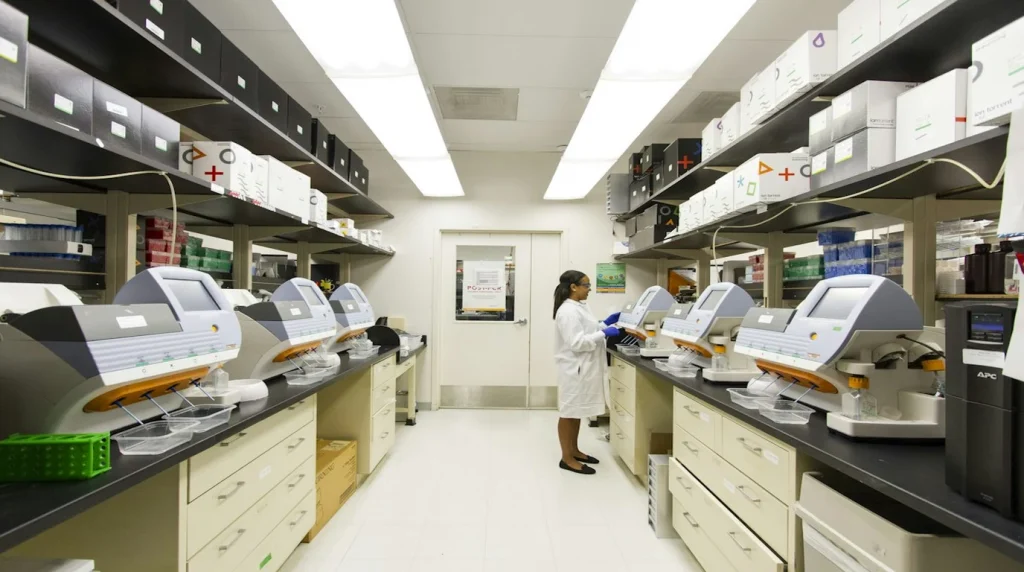
In modern industrial, transportation, construction, and manufacturing facilities across New Brunswick, workplace safety is not merely a corporate objective—it is a strict statutory duty. Under the Occupational Health and Safety Act (OHSA) and WorkSafeNB mandates, employers are legally obligated to maintain an environment free of recognized hazards. When workplace impairment from alcohol, cannabis, or illicit narcotics enters an operational setting, the risk of catastrophic injury, equipment failure, and multi-million-dollar liability escalates exponentially. How Does Workplace Drug and Alcohol Testing Work in New Brunswick? Direct Answer: Rapid Onsite Compliance & Chain of Custody In New Brunswick, professional workplace drug and alcohol testing is conducted under structured post-incident, reasonable suspicion, and pre-access compliance protocols. Using certified point-of-collection screening, preliminary results are delivered within 10 minutes. To guarantee legal defensibility in labour arbitrations, all non-negative samples maintain an unbroken forensic chain of custody and undergo secondary laboratory confirmation via GC-MS chromatography. However, administering workplace testing in Canada requires careful balancing between employee privacy rights under the Canadian Human Rights Act and employer safety obligations. Attempting unguided testing without certified protocols invites costly human rights complaints and union grievances. Engaging an independent forensic agency ensures your testing program remains legally defensible, confidential, and scientifically rigorous. Testing Triggers: When Can New Brunswick Employers Legally Test? Canadian jurisprudence strictly regulates testing methodologies. Employers in Moncton, Saint John, Fredericton, and Northern New Brunswick typically deploy certified testing under four defined circumstances: 1. Post-Incident & Near-Miss Investigation Following a workplace accident, vehicular collision, equipment tip-over, or high-potential near-miss, rapid testing must be conducted as soon as practicable. Determining whether impairment was a contributing factor is essential for WorkSafeNB claims defense, internal root-cause analysis, and liability insulation. 2. Reasonable Cause / Reasonable Suspicion When trained supervisors document observable signs of impairment—such as slurred speech, erratic motor behavior, uncharacteristic aggression, or the physical odour of alcohol or cannabis—an immediate reasonable cause screening protocol is triggered to protect both the worker and their colleagues. 3. Pre-Access & Site Clearance Major commercial contractors, mining sites, industrial refineries, and maritime port facilities across Atlantic Canada frequently mandate pre-access drug and alcohol screening before contractors or employees are permitted to enter safety-sensitive operational zones. 4. Return-to-Duty & Post-Rehabilitation Monitoring Following a confirmed policy violation or completion of a substance abuse rehabilitation program, structured unannounced follow-up testing ensures long-term compliance under a formal Last Chance Agreement. The 10-Minute Rapid Onsite Testing Advantage Traditional off-site walk-in clinics require sending an employee away from the job site for hours, creating operational downtime and compromising sample integrity. At the Forensic & Private Investigation (St-Amand) Agency, testing is conducted rapidly on-site with clinical precision: 10-Minute Preliminary Results: Rapid multi-panel urine and oral fluid screening devices deliver verified negative clearances in 10 minutes, allowing cleared employees to return to duty without delay. Comprehensive Drug Panels: Screens for THC (Cannabis), Cocaine metabolites, Opiates, synthetic Opioids (including Fentanyl and Oxycodone), Amphetamines, Methamphetamine, and Benzodiazepines. Calibrated Breath Alcohol Testing: Utilizing fuel-cell sensor breathalyzers calibrated to Department of Transportation (DOT) evidentiary standards, providing immediate blood alcohol concentration (BAC) readouts. Laboratory Confirmation (GC-MS / LC-MS): Any presumptive non-negative screening result is immediately split, barcoded, sealed with tamper-evident tape, and dispatched under strict chain of custody to an accredited laboratory for quantitative mass spectrometry confirmation. Evidentiary Benchmark: FPI Agency vs. Off-Site Clinics vs. DIY Kits Testing Parameter FPI Agency Onsite Service Off-Site Walk-In Clinic DIY Internal Testing Kit Deployment Location Directly on-site at your facility Employee must travel to clinic Administered by internal manager Turnaround Time 10 minutes for preliminary result 3 to 6 hours travel & wait time 15 minutes (unverified) Legal Defensibility Full forensic chain of custody Standard medical record High risk of grievance / wrongful dismissal Third-Party Impartiality 100% independent licensed agency Third-party healthcare provider Zero impartiality (internal bias claims) Schedule Rapid Onsite Testing with Fidèle St-Amand Need emergency post-incident screening or scheduled pre-access testing for your workforce anywhere in New Brunswick? Contact our corporate team for an immediate, confidential response. 📞 Dispatch Direct: (506) 545-8665 ☎️ Office: (506) 783-8662 Inquire Corporate Account → Frequently Asked Questions Can an employer in New Brunswick legally perform random drug and alcohol testing? Under Canadian human rights law and Supreme Court jurisprudence, random drug testing is generally restricted to highly safety-sensitive workplaces where an operational culture of substance abuse is documented. However, post-incident testing following an accident or near-miss, and reasonable cause testing based on observable impairment indicators, are fully permissible and legally recommended to maintain workplace safety. How fast are onsite rapid drug and alcohol screening results available? Rapid onsite point-of-collection screening provides verifiable preliminary results in approximately 10 minutes. Samples that show non-negative readings are immediately split, sealed under strict chain of custody, and dispatched to an accredited laboratory for confirmation via GC-MS (Gas Chromatography-Mass Spectrometry). What drug classes are detected in standard New Brunswick workplace screening panels? Standard workplace multi-panel drug tests detect THC (Cannabis metabolites), Cocaine, Opiates and synthetic Opioids (including Fentanyl, Oxycodone, Hydromorphone), Amphetamines, Methamphetamine, and Benzodiazepines, accompanied by calibrated breath alcohol testing. Why should employers hire an independent certified agency instead of using internal staff? Using an independent licensed agency eliminates claims of bias, preserves employee confidentiality, and guarantees that strict evidentiary chain-of-custody protocols are maintained if an employee challenges a disciplinary or termination decision before a labour arbitration tribunal or court.